NL
NL
 DE
DE
 EN
EN


Removing gelled diesel
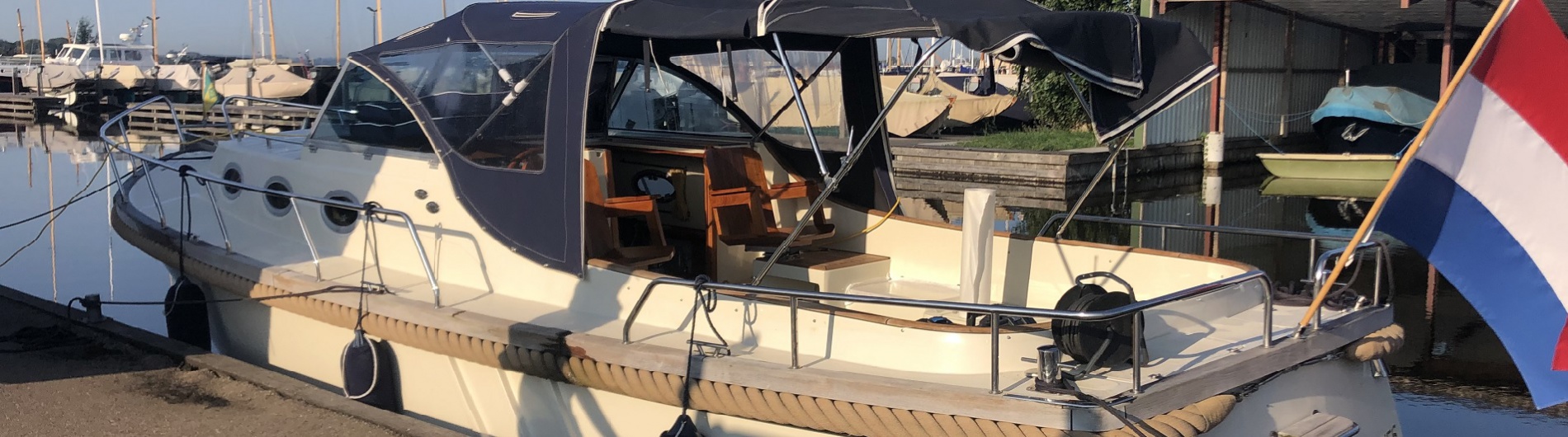
At the Royal Watersport Association Loosdrecht lies this beautiful Maril Classic. Unfortunately, the proud owner is experiencing problems due to a contaminated diesel tank. Through Botenwacht Nederland, we were commissioned to help the gentleman with his issue.
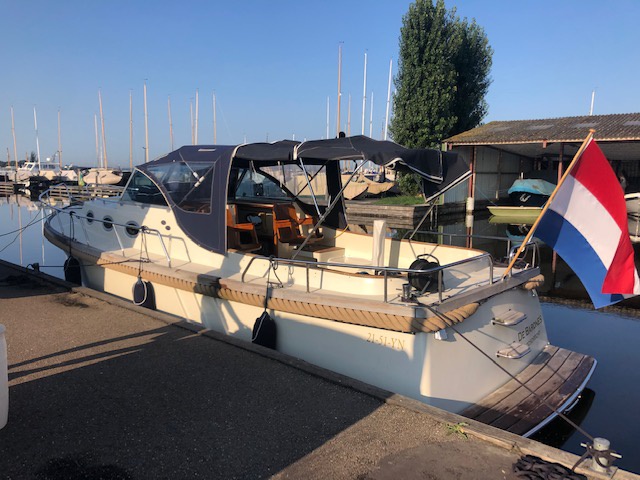
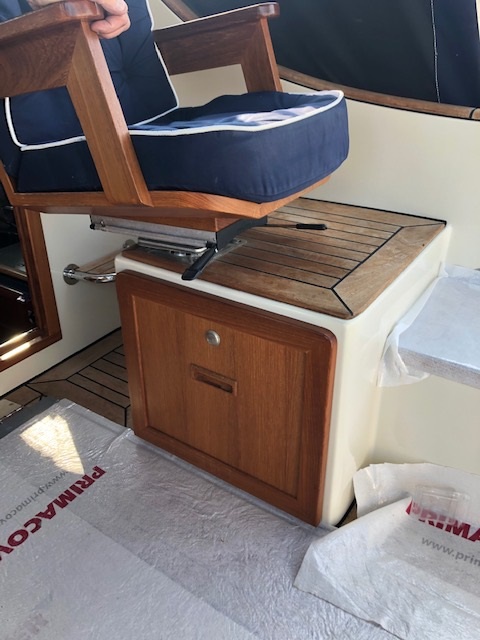
The boat has two tanks of 250 liters each. A port and a starboard tank. They are located under the floor, which presents a challenge. We will need to go through the floor to create an inspection hatch in each tank so that we can clean the tanks properly. We chose to cut hatches from the floor in the cabinets under the front seats. This way, you won't see anything of it later...
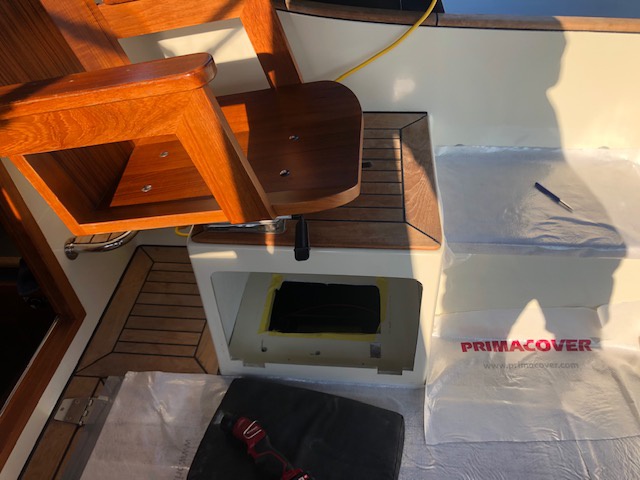
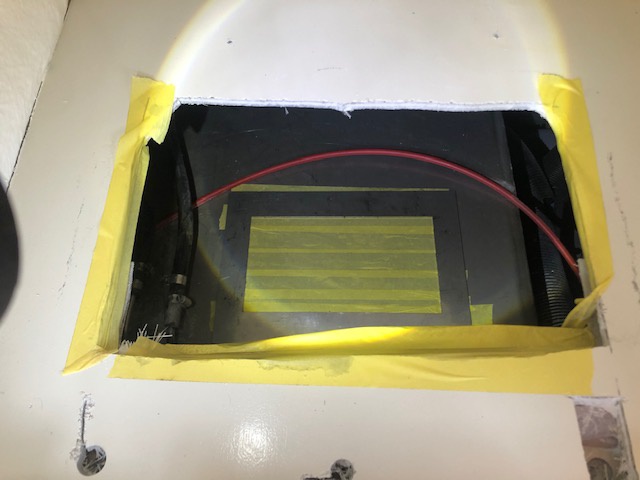
Now we can access the diesel tanks to install hatches. First, a template is used to tape off and mark the area that needs to be cut out.
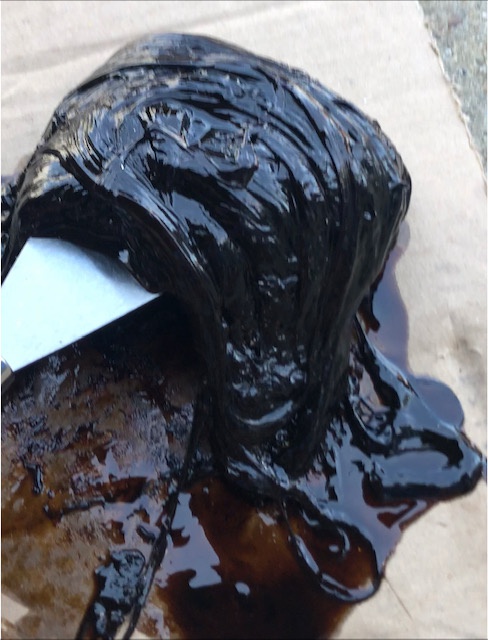
The inside of the tank turned out to be heavily contaminated with gelled diesel. A very sticky substance that is not easy to remove. A utility knife had to be used. Want to know more about what "gelling" actually is? Click here.
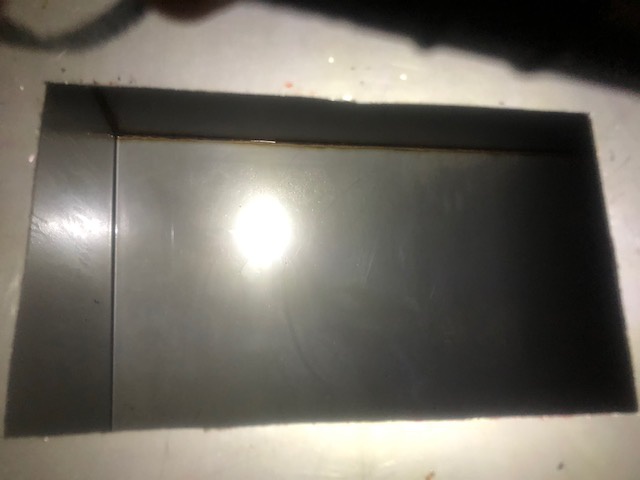
After a thorough cleaning process of scraping, vacuuming, flushing, rinsing, and filtering all the diesel, the diesel tanks are as good as new...
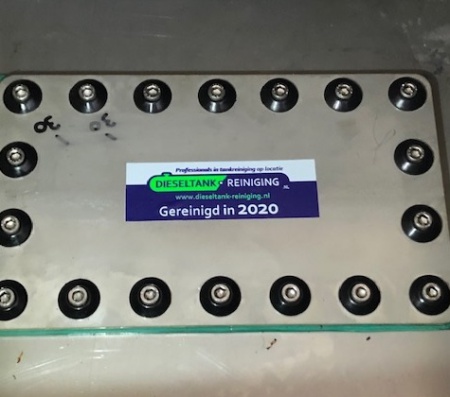
The filtered diesel is returned, and the hatches are neatly finished. In metal tanks, we always use heavy stainless steel hatches with fuel-resistant sealing material. The hatches are therefore leak-proof and odor-free and can always be reopened later for further cleaning or inspection.
After that, the drawers in the cabinets were replaced, and the doors were re-hung. So there is nothing left to see. The diesel tanks are clean and equipped with inspection hatches so that the owner can also access the tanks easily in the future.